memory tip, solitary learner, solitary worker, career

Memory Tip 10: Solitary Learners

If you read our last blog post and thought, “Ugh! That is NOT me!” Don’t worry! This week’s blog post IS for you! 

Solitary learners feel like they don’t even need a classroom or meeting. These people read and study on their own and that’s how they best remember information. Of course, it takes a lot of research, study, and even clarifying with the boss or professor that you have things straight. But sitting in a crowded, noisy room with others does nothing to help you understand or remember information.  You are a solitary learner. 

memory tip solitary learning

Working alone can be a great benefit to your memory

Improving Memory

Things you can do to improve your memory as a solitary learner include being strategic about the time you have to spend in the classroom or in meetings. Go into each meeting knowing exactly what your questions are and what does not make sense to you. This way, you can harness the information that applies to you and ignore the rest that you’ve already figured out on your own.

It’s important, of course, to keep your ears open for anything you might have missed, but this way you do not need to slog through a long meeting or pointless classroom session wondering why you’re there. Ask your questions up front to get the clarification you need, then wait patiently, doodling or taking notes, while social learners hash it out in the way that’s best for them. 

At the Office 

As a solitary learner, you probably have good focus, like a quiet learning environment, and have the patience to figure things out on your own. At your job, this may translate to seeming anti-social or hard to work with. Don’t fall into this trap! Contact the Career Profiler to find out how to work best in your job as a solitary worker.

It is possible to earn the trust and respect of your colleagues and employers by finishing tasks seemingly instantaneously. This is because you do not feel the need to reach out to others to find out how to complete them; you learn your job best on your own. 

At School 

If you’re a student and a solitary learner, you probably dread group projects. The way you can take advantage of your solitary learning strength is by being up-front about the tasks you choose and how you will do them. Tell your group mates solitary study memory tip studentsearly on what part of the project you will be in charge of. Offer your services or clarification if they need it, then you can go off and do your part of the project the way you know best. Keep tabs on your group mates every so often and make sure that your work gels with theirs.  

If you want help getting through high school, college, or your graduate degree as a solitary learner, get in touch with the Career Profiler. Together, you can make a plan for what classes to take, what major is best for you, and how to get into the right job for you early on. For those of you who are professionals, you can learn how to maximize the benefits of being a solitary learner and minimize the negatives or risks. The Career Profiler can help you put your best foot forward. You might consider a career that suits introverts as a way of harnessing your solitary learning strength.


memory tips, memory improvement, learning styles

Memory Tip 9: Social Learners

We are all social animals. But that does not mean that’s the best way for us to learn or remember information. In order to improve your memory and learn at your peak, you should know if you are a social or solitary learner.

memory, group learning, memory improvement

If these folks are group learners, they’ll be much more likely to understand and remember what they’re discussing

Social learners live for study group, group projects, and task force teams – not just because they might be an extrovert, but because they learn best when others are around them. Oftentimes these people think aloud and seek out individual help. There is a psychological phenomenon that plays into this type of learning: social facilitation. This is the improved performance of an individual simply because of the existence of other people in the vicinity. Maybe you’ve been pleased to discover, for example, that you can shoot off the answers to math questions when someone else is asking you the question rather than just reading it off of a piece of paper. This is social facilitation at work – and  you may be a social learner.

Not only does this mean you should strive to learn in groups, but you should strive to share information you want to remember with others. Instead of filling out your calendar by yourself, try sitting with your spouse, co-worker, or friend and talk about your plans. This increases the likelihood that you will remember these engagements. In the same way, rely on the people around you to boost your memory. Ask others to help you remember important tasks or dates. Plan on doing important things with other people so that it will be less likely to fall through the cracks.

These are all ways that social learners can improve their memory. Are you a social learner? Even if you’re not, don’t worry! Our next blog is about solitary learners and how they can improve their memory.

remember college high school back to school memory

Back to School Memory Tips

Back to school season is a time filled with excitement: new supplies, new classes, old friends. But it can also be filled with dread and anxiety: an unfamiliar school, the day-to-day routine, the challenges of learning. For college students and high school students, there is an easy way to put your best foot forward as you head back to school.

After a long Summer where you probably didn’t have to remember a lot of things, you can start your year off right by getting ready to fill your head with new knowledge.

1. Review our memory tips

Memory tips for students

Make a memory plan before you go back to school

Our last seven blogs have covered some very helpful memory tips. You should especially check out the Academic Learning Styles blog and the Memory Tips 1 and 2. Both of these contain information that you can start using on day one. You can also find out your personal learning style, which greatly contributes to your ability to remember. In fact, knowing your learning style acts as a foundation on which you can plan your entire study routine.

If you have any questions about these blogs, or even want to schedule an appointment with a career coach to make a plan for how to achieve your best this school, contact us!

2. Do it for the learning

When we talk about memory in the context of school, most people think about rote memorization. This may be unfortunately true in our public school system, but it is not always true. Improving your memory does not mean only rote memorization. You have probably already noticed that when it comes to remembering things you are really interested in and passionate about, your memory is accurate and sharp. You can recall any episode from your favorite TV show, or any fact about a particular sports star. The same can be true if you dedicate yourself to your school subjects.

One of the best ways of doing this is to apply yourself outside of class. For example, recalling a fact just once, out loud, outside of class increases the likelihood of you remembering that thing. There are plenty of instances in normal everyday conversation that you can bring up something you learned in a class recently. Or, plan to meet with your teacher or professor to talk about what you have been covering. This is a great way to not only actually learn something, but also help it stick in your mind.

3. Stay healthy

You have probably already heard about the importance of a healthy diet and good sleep habits when it comes to

study remember college

A few simple stretches every hour will reactivate your brain, making it able to remember what you’re studying

memory and academic performance. Those are well-researched studies that should not be ignored. Stay away from highly processed foods like chips, pre-prepared meals, and sugary or highly caffeinated drinks. Drink water and eat high-protein foods while studying and when you feel hungry. Sleeping has an especially strong connection to a great academic performance. Never put yourself in a situation where you have to trade in a good night of sleep for meeting a deadline.

Studying in short, efficient bursts is also much more effective than cramming for 8 hours. Take breaks, stretch, take a walk or jog, or play a sport every couple hours. This helps support your brain by keeping it well-rested, energized with necessary food, and oxygenated.


These three simple changes will help you be your best at school this year. With a sharper memory, you will not only learn things that will equip you for your future, you just might up your grades in the meantime! If you want more tips, or even a plan, on how to achieve the most in school, make an appointment with The Career Profiler today.


auditory learners memory tips

Memory Tip 7: Auditory Learners

Auditory learning is prevalent in our society but is difficult for some, especially children. If you’ve ever been in an elementary school classroom, you will remember how hard it is for the teacher’s words to reign in active kids!

When I was in high school, however, one of my classmates had very good auditory learning skills. She was in my zoology class and got 100% on almost every test – and there are a lot of terms and definitions to memorize in zoology.  Our teacher said that it was because she was an auditory learner; she could simply listen to the lectures and remember all the information easily. 

If you are an auditory learner, there are ways for you to make your life as easy as this zoology class was for this student. Take advantage of your skill!  

  1. Make sure there are no other auditory distractions when you are listening to the information you want to remember (for example, in a lecture or meeting). It will be easier to focus if there are no other noises – others’ talking, outside noises, music, etc.. Learn to sit away from windows that might have street sounds coming from them. You have the skill of soaking up audio information, so don’t get it mixed up with other sounds. 

    auditory memory tip

    Reading aloud will help you remember what you read

  2. Similarly, when studying or working, make sure you are in a quiet environment so you don’t get distracted. You might begin reading aloud or repeating aloud what you would like to remember. It might seem silly at first, but just repeating what someone else just said can help you remember.  
  3. Speaking of speaking, getting sounds into your ears is the best way for you to learn. So come up with mnemonics, and even put things you want to remember to song. Most people have donethis to some degree, whether it be the alphabet song or their telephonenumber. It’s even easier to remember things when they have a rhythm or melody to go along with them. 

Can I Improve My Auditory Learning? 

If you are not an auditory learner, you can still get better at storing information you hear so that you remember it. 

I found this to be true for myself when I started going to college. Once a week a guest lecturer would give a very dense and difficult lecture on a topic of their choice. It was usually a pre-written speech and often a dissertation that they would read aloud. It lasted a solid hour with no breaks and I became aware of how fatiguing it was to listen to such difficult material for so long. My mind wandered, my body ached in the chair, and it was hard to understand the speech. I would often space out and realize I had no idea what the lecturer was talking about anymore. 

But as time went on and I continued going to these lectures, I began to have a longer attention span and was able to understand even difficult, long, and complex sentences read aloud in a monotone voice. My auditory learning was improving! Simply by exposing yourself to challenging audio material and persevering, you can improve yours too.

Pair the words you hear with whatever is your learning strength: for example, note-taking is a great way of remembering what you hear not only because of Tip One, but also because this covers three bases: auditory, visual, and kinesthetic learning. Combining learning styles is a good way of taking advantage of your natural skill as well as improving other styles. 

There is almost always a way of pairing what you want to remember with your strongest learning style. Be creative, consistent, and open to developing your weaker learning styles so that you can improve your memory as much as possible. 


career success memory tips visual learners

Memory Tip 6: Visual Learners

memory tip visual organization

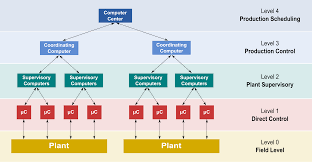
A chart like this might seem a little overboard to some, but to a visual learner, it keeps all the information stored neatly and easily to understand. It’ll be like this in your brain, too, helping you remember important things

“Let me write that down.” “Can you show me in a chart?” “Can we make this a different color?”  

If this sounds familiar, you might be a visual learner! Visual learners absorb information best when it is presented in a visually stimulating or pleasing way. Why is this important? Because when you learn well, you remember! Here are three tips for visual learners to remember all those important things in your life. 

  1. Get a calendar – a real paper calendar will do worlds for you. Seeing all the information laid out in a tangible way stimulates your visual cortex to remember them. A digital calendar may work well, but don’t forget Memory Tip 1: WRITE IT DOWN! By carrying a physical planner or calendar, you will have the opportunity to cement that date in your head, as well as on a piece of paper.
  2. Use color and pictures – it might feel a little childish at first, but getting used to color-coding and using symbols and charts is a great way of remembering. It will be seamless for you visual learners, too. A good example of how to apply color in your weekly calendar is to assign a different color for different categories. Kids’ activities? Blue. Work-related tasks? Red. Personal needs and plans? Purple. Non-visual learners can feel swamped by the sensory overload, but visual learners often find that color and organization help them keep things in order. Speaking of which…
  3. Keep your space clean – visual learners take in information with their eyes. Imagine trying to plan your day in a room like the one pictured here! There is too much going on. Visual learners can receive information smoothly
    Visual learning messy room memory tip

    This room is a mess. As a visual learner, all the junk will get in the way of your eyes focusing on the most important information.

    and in an organized way by making sure each thing is where it belongs. Remember: as a visual learner, if your eyes see it, your brain knows it. If you keep your desk, house, work area, and all your spaces organized, your brain will be less cluttered too.

We hope these three tips will help you remember the important things in your life. This is just the beginning of the road to making your life more successful, happy, and meaningful. If you want to find out more about how to achieve these goals, get a FREE consultation with The Career Profiler.

visual and auditory learning academic learning styles

Memory Tip 5: Academic Learning Styles


Do You Have the Academic Learning Styles?

Ever wondered what people mean by “auditory learners” as opposed to “visual learners?” Yes, it obviously has to do with some people being able to remember things they hear and some being able to remember things they see. But what does this mean for you and your memory?

Auditory and visual (specifically reading comprehension and number memory) are the two main learning styles used in academia. In the West, formal education usually focuses on listening to lectures and reading texts as the means of receiving information. Do you have these skills to succeed in school?

This can put people who are not natural auditory or visual learners at a disadvantage, not only in school but also in our general lives! Does this mean you will not be happy and successful unless you have these skills? Absolutely not! But there is more good news: even if you are not naturally equipped in auditory or visual learning, you can still learn in those ways, and you can build up those skills.

memory tip remember career

If you are an auditory learner, boost your memory by saying the things you need to remember out loud

What Can I Do About It?

By receiving important information through your particular learning style, you increase the chances of remembering that information. That’s why we will be posting specialized memory tips for every type of learner! That’s right – if you’re a visual learner, come back next week to find out some helpful, simple tips to keep your life organized and happy. Even if you’re not a visual learner, read that blog so that you can learn how to practice this skill and ensure your success in visual-dominant contexts, like school and certain jobs.

Not sure which learning style you have? Get in touch with The Career Profiler to find out today! The best way to find out is to take the Highlands Ability Battery. Worried that this little tip won’t be enough for you? The Career Profiler can help with that too. Let us know about all your questions and concerns so you can start on your path to career happiness and success!

Memory Tip 4: Learning Styles

memory learning styles

All of these kids are listening – but which ones are learning?

Last week we looked at how habits can help you improve your memory. But there’s another piece of the puzzle. Besides making room in your brain and schedule for memory, each of us has a special way of learning and thus memorizing. Even though we all learn when our brains make neural pathways, our brains have different ways of making those pathways permanent and strong. This is called learning style.

You have probably heard of auditory learners, visual learners, and kinesthetic learners. This describes the way that a person receives and understands information best. If you are an auditory learner, for example, you might struggle to focus on and understand written words. You are technically receiving information, it just won’t stick!

This is because you are not making neural connections in your brain when you just read words. On the other hand, when an auditory learner hears an engaging lecture or someone tells them a piece of information, their synapses get firing and their neurons can connect much easier. Now you can learn – and remember!

What does this have to do with memory?

Learning and memory are very closely connected. You cannot really learn something unless you remember it! The great thing about knowing your learning style is that you can be sure to receive the information you want to remember in your learning style. write it down (on a piece of paper!) and take a breath. 

Is your boss telling you about an important project coming up? If you’re a visual learner, ask for the information in an email, or write it down yourself. Do you have an important meeting coming up? If you’re an auditory learner, say it out loud so you can hear it.

What’s your learning style? You can find out by taking The Highlands Ability Battery. This excellent test actually tells you a lot more than just your learning style. If you need help understanding your full report, get a FREE consultation with The Career Profiler.

memory remember career neural pathway pathways

Memory Tip 3: Make Good Habits!

Building Habits

memory remember career neural pathway pathways

Have you ever thought about how many habits you have? The way you get up in the morning is a habit – do you press snooze, or jump right out of bed? The fact that you brush your teeth the way you do is a habit too – some people brush right after they get up, others after breakfast.

Maybe you are conscious of your many habits, but have you ever realized how much time and energy you save by following your habits? Think about how quickly and with so little effort it takes you to brush your teeth. When you compare this to the adventure of getting young children to brush theirs, you can see that creating a habit saves A LOT of time and energy!

memory remember career neural pathway

A deer trail helps deer get to their destination faster. Something similar happens in your brain to make a habit


A habit begins in your brain: with neural pathways. This means information flows along certain synapses, creating a pathway. If you’ve ever found a deer or rabbit trail in the wilderness, you know what this means. When animals find the best way through brush or a forest, they take that path every time. The frequent use results in a discernable path. This discernable path is a habit.

When you react to a stimulus, think a certain thought, or behave in the same way multiple times, a little “deer path” is made in your brain. This makes that information easier to access. When you’re in that situation again, the same pathway is accessed. What does this mean for your memory?

Building Habits to Improve Memory

Building good habits in a smart way can free up a lot of brain space for you to learn new information and get more important work done. A habit the Career Profiler has established for herself is checking her email at the same time every day. She also encourages her clients to make all their phone calls at the same time – oftentimes, right after lunch is a good time to do this.

This is a memory tip in two ways:

1) Building habits creates brain space for memory, and

2) Habits help ensure important things don’t get lost in the fog. You can’t forget to answer an important email if you have a habit of taking care of emails every day at 9am!

Establishing simple habits for activities you have to do regularly helps you keep your life organized. In the same way that brushing your teeth takes next to no brain power, you can organize your unread messages and set aside the ones that need your immediate attention quickly and without effort.

“I’m done with forgetting appointments and making rookie mistakes!” We hope you are! Making habits can help you achieve this goal! If you need help establishing habits, get in touch the Career Profiler for a free consultation. She can walk you through the areas in your life that can use structures like habits. Building structures allows you free time and brain space to learn new things, start on new projects, or relax!

Memory Tips 1 and 2

“I can’t believe I forgot – AGAIN!” 

 If this phrase seems familiar to you, perhaps

memory tips for career

How can I remember it all?? I need some memory tips

accompanied by a slap on the forehead or a groan, it’s probably time to change your system. When you make a habit of forgetting things, whether simple tasks falling through the cracks or something important like a loved one’s birthday, it creates an inconvenience – or sometimes even a disaster. 

 With a bad memory, you’re not performing at your peak. But how can you improve your memory? After all, we’re all only getting older! 

 There are a lot of practical and surprising ways you can improve your memory. Here’s one memory tip to get you started – stay tuned for more later! 

1. Write it down

 Studies by Princeton and UCLA show that physically writing on an actual piece of paper increases the likelihood that you will remember it later. While digital devices might be fast and convenient, they do not work with your brain to maximize your memory.write down memory remember career

You can just try it out for a few days.  Next time you want to remember something, jot it down on a piece of paper and see if have an easier time recalling it. The Career Profiler’s associate has found that writing down her dreams even increased the frequency and vividness of them, in addition to being able to recall them more easily.  

2. Take a Breath!

Another not-often-heard memory tip is that breathing through your nose rather than your mouth increases memory. Steady breathing, especially through the nose, has a big effect on your mental functions. Next time you are stressed, tired, or need to remember something, like in a meeting, try breathing deeply and steadily through your nose. 

 With these two tips, and more on the way, you can start remembering more of the important, and even not-so-important, things in your life. We hope this will help make your life easier, more organized, and help you succeed and be happy in your career. Find more tips here.

Aptitude for sports success

Aptitude for Sports


Image result for baseball

Love playing sports – but never made the cut to the big leagues? Or is your child involved in sports and you want to ensure their success? You can find out if you or your child is on the road to stardom! Of course, only a very small percentage of sports players become professional, and that’s for good reason. Great sportspeople most certainly have an aptitude behind their skill. Unlike what you may think, aptitudes are not useless pieces of information. They determine if you succeed in your job, they drive you towards certain kinds of work, and they are huge factors in how happy you are.

Recently, the sports industry has recognized this and started using “brain games” to scout out future stars. BrainsFirst is one such company that tests for concentration, complex decision making, and ability to shift attention quickly. These are three aptitudes that help a person excel in sports. The thing is, assessing ability through “games” or tests is nothing new!

The U.S military and Henry Ford were some of the first to widely implement tests of ability and aptitude. Perhaps you yourself have taken an assessment as part of a job interview, like running through a list of letters and numbers, or playing an observation game. These are all legitimate ways of assessing if a person’s strengths are compatible with the job. Including soccer star!

Aptitude for sports successSuch games and tests are designed to determine natural ability, not a skill that one has practiced or developed. This means that you cannot significantly improve your performance on such a test. This may sound worrisome at first – what if your next job interview includes one of these test! – but there is really nothing to worry about. If you know what your aptitudes are, you will not waste your time looking for a job that does not use your aptitudes. Then, you will not fail any test that might be presented in the interview. Perhaps best of all, you will not experience the crushing disappointment of rejection. 

Can The Highlands Ability Battery Help Me?

Yes! The Career Profiler most highly recommends taking The Highlands Ability Battery to find what your aptitudes are. This test publisher calls aptitudes abilities. They do not test for hand-eye coordination, but there are plenty of other abilities that contribute to being a great sports player. The grip test determines a person’s competitiveness. Having strong rhythm memory can determine how well your body can learn a new sport. There are plenty of abilities that contribute to your ability to play a sport.

It’s best to learn your aptitudes now. By knowing your aptitudes before a job search, you can go into any interview with confidence that it’s a job that you will make you happy and successful. Take The Highlands Ability Battery today! Know your aptitudes and you will know what to do and be with certainty!